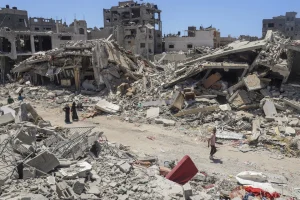
The Israel-Hamas war is a long-standing conflict that has captured international attention for decades. The conflict between Israel and Hamas, a militant organization governing the Gaza Strip, is marked by intense violence, complex historical and political dimensions, and profound humanitarian impact. Understanding the Israel-Hamas war requires exploring its roots, the social and economic effects on the region, the perspectives of both parties, and the broader international implications.
Historical Background
The roots of the Israel-Hamas conflict can be traced back to the broader Israeli-Palestinian conflict, originating in the early 20th century with competing nationalistic movements by Jews and Arabs over land in what was then British Mandate Palestine. In 1948, the establishment of the State of Israel and subsequent Arab-Israeli war led to the displacement of many Palestinians, sowing the seeds of continued conflict. Since then, wars and uprisings, such as the Six-Day War in 1967, the First and Second Intifadas, and subsequent skirmishes, have added to the animosity.
Hamas, an offshoot of the Muslim Brotherhood, emerged in 1987 during the First Intifada as a Palestinian nationalist and Islamist organization opposed to Israel’s existence. Hamas’ stance toward Israel is deeply rooted in ideological, religious, and nationalist motivations, leading to hostilities that have endured for years. The group took control of the Gaza Strip in 2007 after defeating the rival Fatah movement, further complicating Palestinian-Israeli relations and making peace efforts challenging.
The Main Causes of the Conflict
The conflict between Israel and Hamas has several underlying causes. At its core, the struggle is about control over land and the right to self-determination. Palestinians, particularly those in Gaza, see Israel’s control over their borders, airspace, and resources as a form of occupation, while Israel views Hamas as a security threat due to its ongoing attacks on Israeli territory and civilians.
Ideological differences further compound the conflict. Israel, a secular democratic state, clashes with Hamas’s Islamic-based governance and its refusal to recognize Israel. This ideological divide fuels mutual distrust and hinders potential peace negotiations.
Economic factors also exacerbate tensions. The blockade imposed by Israel and Egypt on Gaza after Hamas seized control has led to severe economic hardship, high unemployment, and limited access to basic needs, fostering resentment among Palestinians. This situation has created fertile ground for violence and militancy, contributing to the ongoing cycle of hostilities.
Humanitarian and Economic Impact
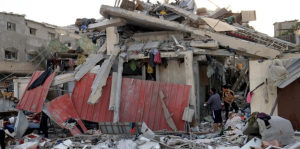
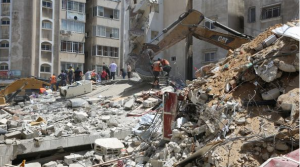
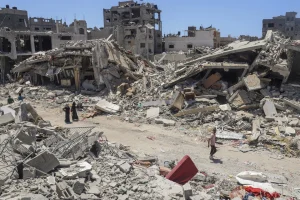
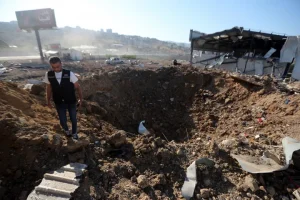
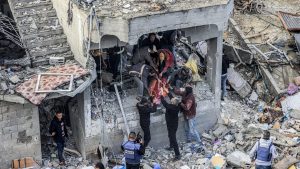
The Israel-Hamas conflict has inflicted severe humanitarian consequences on both sides. Gaza has faced extensive destruction due to repeated conflicts, leaving thousands of civilians dead, displaced, or injured. The lack of adequate healthcare, education, and infrastructure in Gaza has created a humanitarian crisis, with the population suffering from poverty and a lack of opportunities.
Israel has also faced significant repercussions, as rocket attacks and terror attacks from Hamas target civilians, spreading fear and destabilizing daily life. Israel’s economy, while more resilient than Gaza’s, is not immune to the impacts of warfare, especially in border areas where frequent rocket fire disrupts daily routines, business activities, and tourism.
International Perspectives and Responses
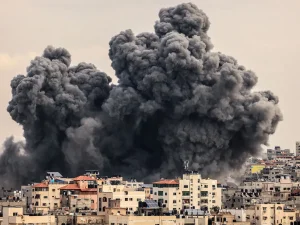
The Israel-Hamas conflict garners strong international reactions, with countries and organizations worldwide having varied perspectives on the issue. The United States and some European nations typically support Israel’s right to defend itself, condemning Hamas’s tactics, including the use of rockets and tunnels targeting civilians. Many Middle Eastern and North African countries, however, criticize Israel’s military actions and advocate for Palestinian rights, particularly emphasizing the plight of Gazans under blockade.
The United Nations and numerous humanitarian organizations have voiced concerns over the humanitarian toll on both sides. Calls for ceasefires and peace talks frequently emerge, but lasting peace remains elusive due to the complexities involved and the unwillingness of both parties to make concessions.
Peace Prospects and Obstacles
Efforts to broker peace between Israel and Hamas are consistently met with obstacles. One of the primary barriers to peace is the lack of trust between the two entities. Hamas’s rejection of Israel’s existence and Israel’s refusal to engage with Hamas unless it renounces violence and recognizes Israel form a seemingly unbridgeable divide. Internal Palestinian political divisions, particularly between Hamas and the Palestinian Authority, add another layer of complexity to any peace negotiations.
Furthermore, international diplomatic efforts, such as those led by the United States or the United Nations, face challenges in bringing both parties to the table. Historical agreements like the Oslo Accords, which aimed to establish a two-state solution, have seen limited progress due to a mix of political, social, and ideological barriers on both sides.
Broader Implications of the Conflict
The Israel-Hamas war has far-reaching global implications, influencing regional dynamics and affecting relations between Middle Eastern countries and the West. For example, the conflict has heightened tensions between Israel and neighboring countries, affecting the stability of the Middle East. It has also influenced global terrorism, as militant groups worldwide use the conflict as a rallying point to further their agendas.
The war also impacts the global Jewish and Palestinian diasporas, who advocate on behalf of their communities and often clash in debates and protests worldwide. This contributes to increasing polarization, particularly in Western countries, over Middle Eastern policies and humanitarian issues.
Conclusion
The Israel-Hamas war is a multifaceted conflict rooted in deep-seated historical grievances, ideological differences, and complex socio-economic conditions. The humanitarian toll on both Israelis and Palestinians, combined with the broader international implications, underscores the urgency of finding a peaceful resolution. However, given the current realities, achieving lasting peace will require significant political will, compromises from both sides, and substantial international support to address the underlying issues driving the conflict.