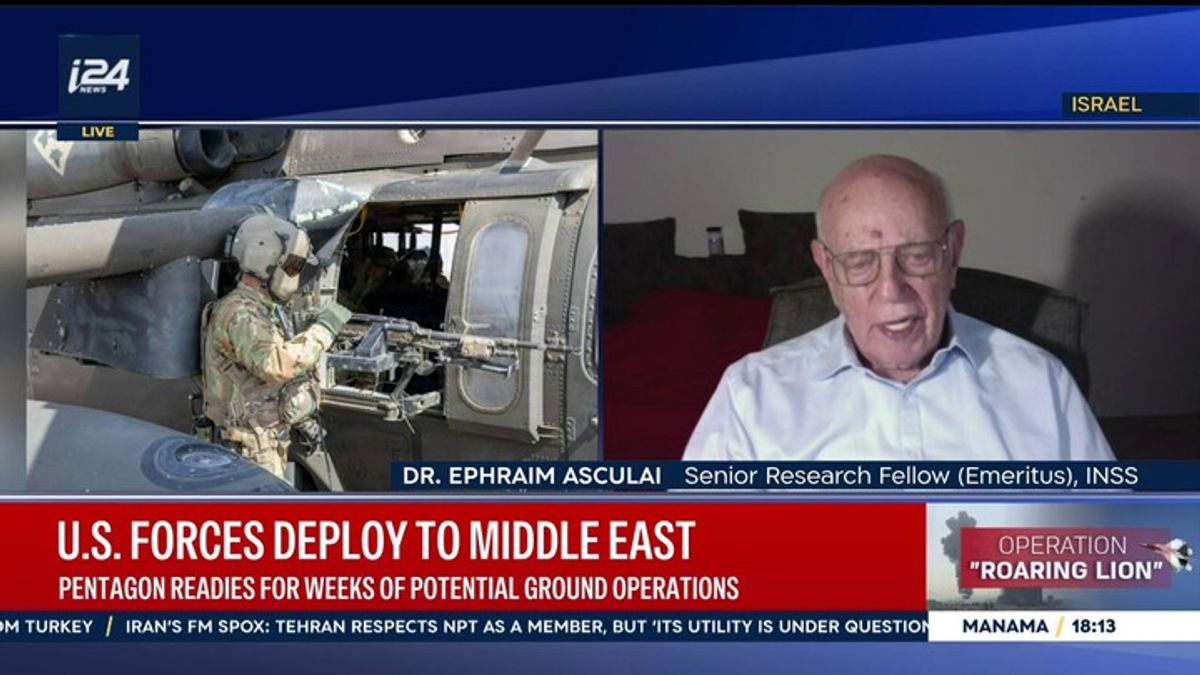
The global energy landscape is once again at the center of geopolitical tension—this time shaped heavily by the assertive stance of Donald Trump and the escalating crisis around the Strait of Hormuz. What appears on the surface as a dispute over oil supply is, in reality, a deeper struggle over power, influence, and global order.
At the heart of the crisis is a blockade linked to tensions with Iran, which has significantly disrupted one of the world’s most critical oil routes. The Strait of Hormuz carries a substantial share of global oil shipments, meaning any disruption is immediately felt across international markets. Prices rise, supply chains tighten, and economies around the world experience ripple effects.
Rather than positioning the United States as the sole enforcer of stability, Trump has taken a different approach. He has called on allies to take more responsibility—urging them to secure oil routes and even suggesting they should take direct control of oil resources. This signals a shift from traditional U.S. foreign policy, which historically emphasized leadership in safeguarding global trade routes.
His message is direct: nations that depend on Middle Eastern oil should share the burden of protecting it. However, this stance has not been universally accepted. Several allied countries, particularly in Europe, have shown reluctance to engage militarily, wary of being drawn into a wider conflict. This hesitation reveals emerging cracks in long-standing alliances.
Meanwhile, China has taken a critical position, blaming U.S. actions for escalating tensions and contributing to the blockade. This adds a broader dimension to the crisis, transforming it into a strategic contest between major global powers.

What makes the situation especially complex is that oil is more than just an economic commodity—it is a geopolitical instrument. Control over supply routes and energy infrastructure translates into global influence. Trump’s rhetoric reflects a strategy that leverages energy dominance as a tool of foreign policy.
However, such an approach carries risks. Escalation in the region could further disrupt supply, increase global prices, and strain already fragile economies. It also raises concerns about the long-term stability of international trade systems.
Ultimately, this unfolding crisis is not just about oil—it is about power and responsibility in a shifting global order. As tensions rise, the balance between cooperation and competition among nations will play a defining role in shaping the future of global energy and geopolitics.