Random calling strategies are a versatile and effective teaching technique that can be applied in various educational settings, from elementary classrooms to college lecture halls. These strategies help educators engage students, assess their understanding, and promote active participation. What makes random calling strategies particularly powerful is their adaptability to different subjects, class sizes, and teaching styles. Here are some random calling strategies that work anywhere:
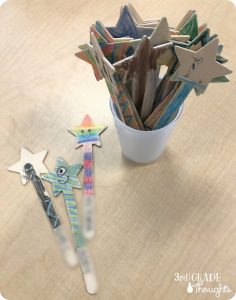
Name Cards or Sticks:
- Write each student’s name on an index card or Popsicle stick. When you want to randomly call on a student, draw a name at random. This strategy is easy to implement and ensures that every student has an equal chance of being selected.
- Digital Randomizers: Use online tools or apps that generate random names or numbers. These tools allow for quick and unbiased selection, making them suitable for both in-person and virtual classrooms.
- Question Cubes: Create question cubes with different student names or numbers on each face. Roll the cube to determine who will respond to a question or participate in an activity.
- Classroom Response Systems: Use clickers or other response systems that allow students to answer multiple-choice questions anonymously. Randomly select questions or students to respond, keeping everyone engaged.
- Seating Charts: Organize your seating chart to randomize student placement. Use the seating chart to call on students based on their physical location in the classroom.
- Alphabetical Order: Randomly select students based on the first letter of their last name or by following the alphabetical order of the class roster. This method is straightforward and ensures fairness.
- Frequency-Based Selection: Assign each student a number, and use a random number generator to select a student. You can adjust the chances of being selected by assigning more numbers to students who need additional participation.
- Thematic or Content-Base
- d Selection: Tailor your random calling strategy to match the content of the lesson. For example, if you’re teaching history, you might select students based on historical events or figures.
- Question Cards: Prepare question cards with a variety of topics or prompts related to the lesson. Draw a card at random to determine the
- discussion topic or question for the day.
- Student-Generated Questions: Have students write down their questions related to the topic. Randomly select and answer these questions during the lesson to foster student ownership of the learning process.
- Peer Selection: Allow students to take turns selecting their peers to respond to questions. This approach can promote a sense of community and collaboration in the classroom.
- Timer-Based Selection: Set a timer, and when it goes off, select the student whose name or number corresponds to where the timer hand is pointing. This method adds an element of unpredictability.
- Random Selection Apps: Use mobile apps specifically designed for random student selection. These apps often include additional features like tracking participation and generating reports.
Random calling strategies not only keep students engaged but also create a more equitable learning environment by ensuring that all students have opportunities to contribute. When implemented effectively, these strategies can enhance classroom dynamics, encourage active participation, and support students’ academic growth, making them valuable tools for educators everywhere.